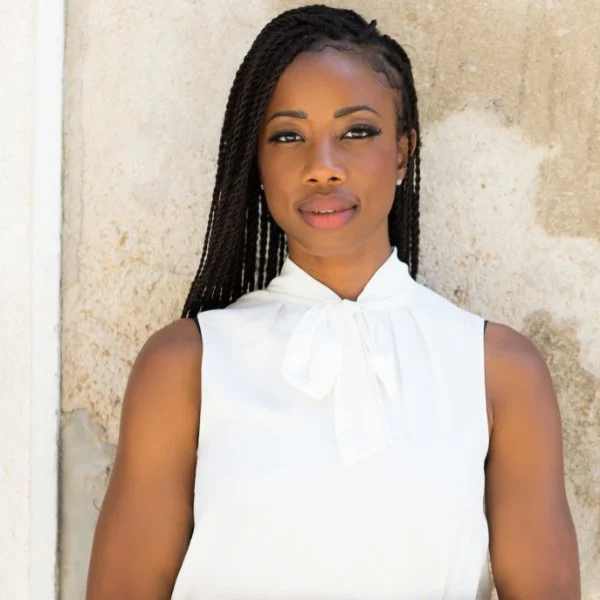
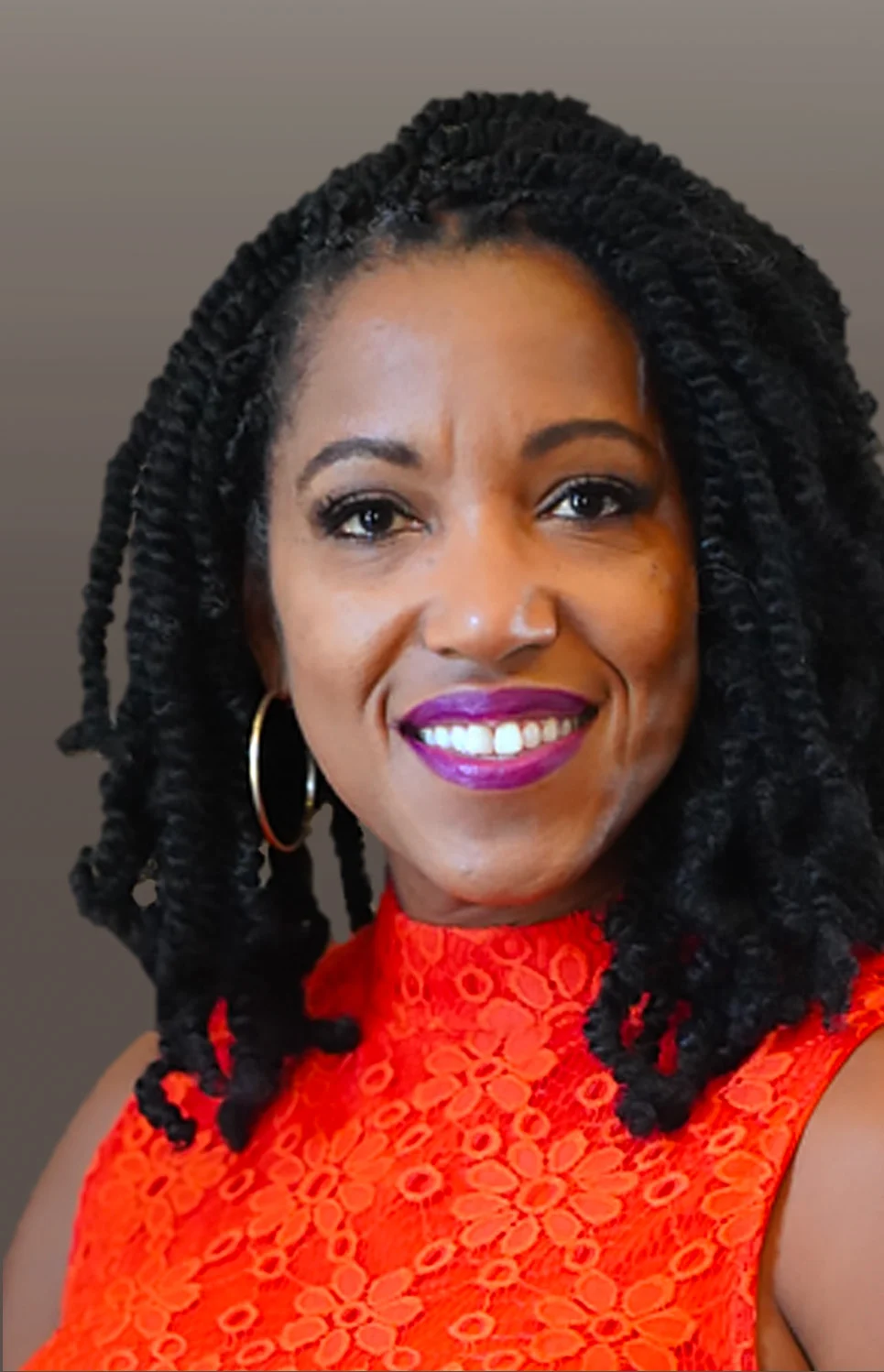
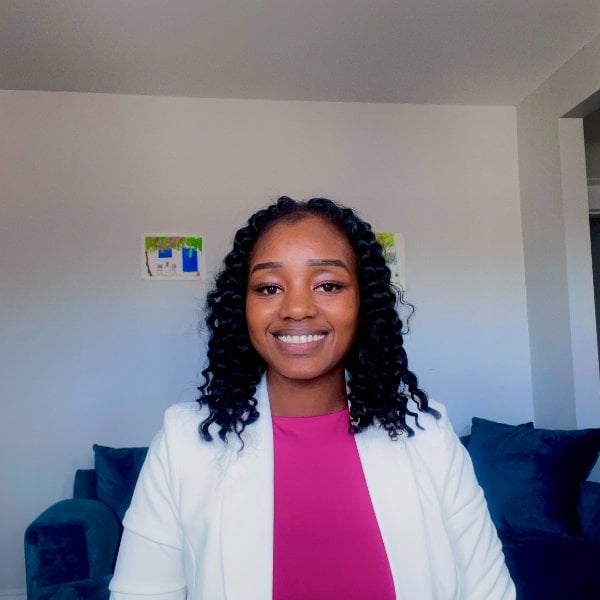
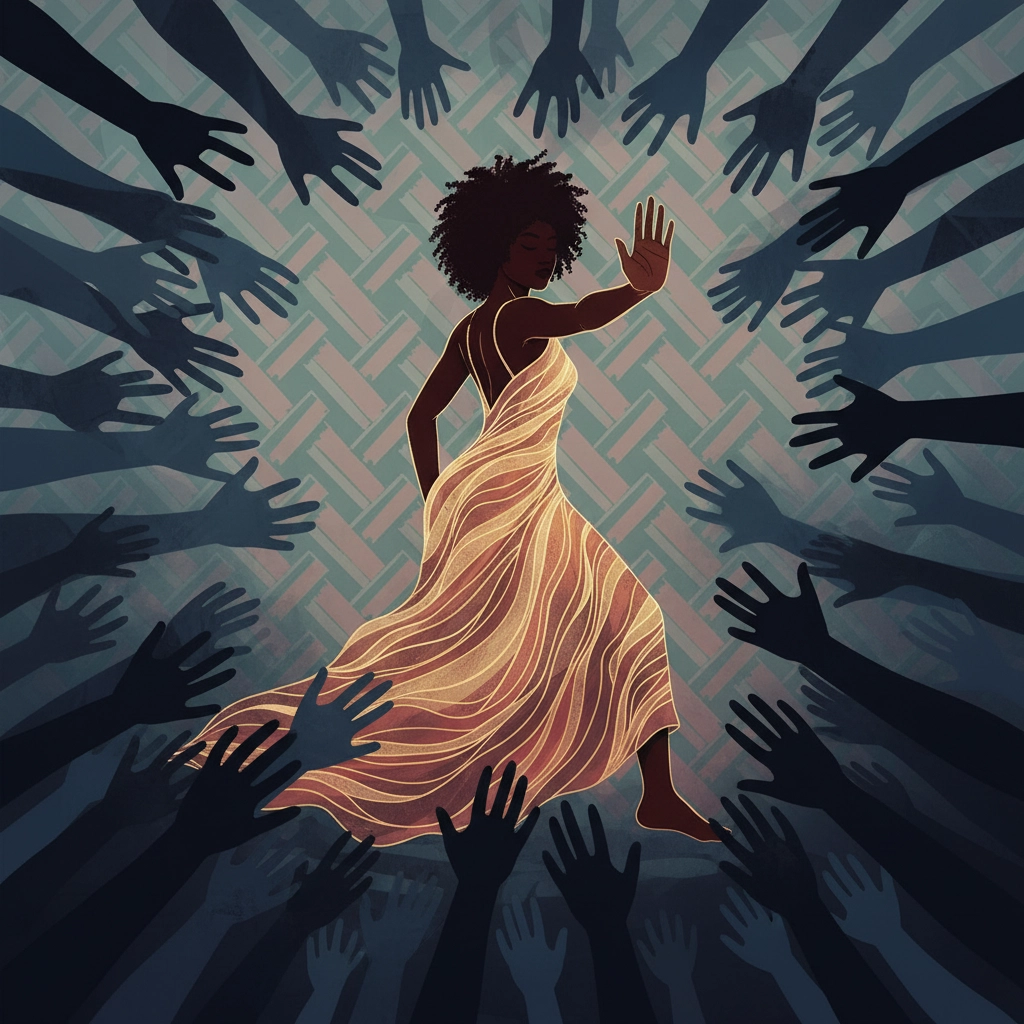
In our journey toward building more inclusive communities, we often encounter moments that challenge us to examine our behaviors and assumptions. One such moment that many of us need to understand better is why touching a Black woman’s hair without permission isn’t just inappropriate, it’s a violation that carries deep historical, cultural, and personal significance.
When we truly understand the layers behind this boundary, we unlock the potential to transform our interactions and create spaces where everyone feels respected and valued. Let’s dive into this important conversation together, because understanding is the first step toward meaningful change.
The Sacred Thread: Cultural and Spiritual Significance
Black hair isn’t just hair, it’s a beacon of cultural identity that carries centuries of meaning, tradition, and spiritual significance. Among many African cultures, hairstyles serve as historical markers of tribe, social status, age, marital status, and wealth. The art of braiding dates back at least to 3500 B.C.E., representing an intricate tapestry of heritage that connects generations.
For the Yoruba people, one of Nigeria’s largest ethnic groups, hair care and hairdressing hold profound spiritual significance. Oshun, one of their most revered goddesses, is celebrated for her exceptional skill as a hairdresser. This connection between the divine and hair care illuminates how deeply woven these practices are into the fabric of identity and spirituality.
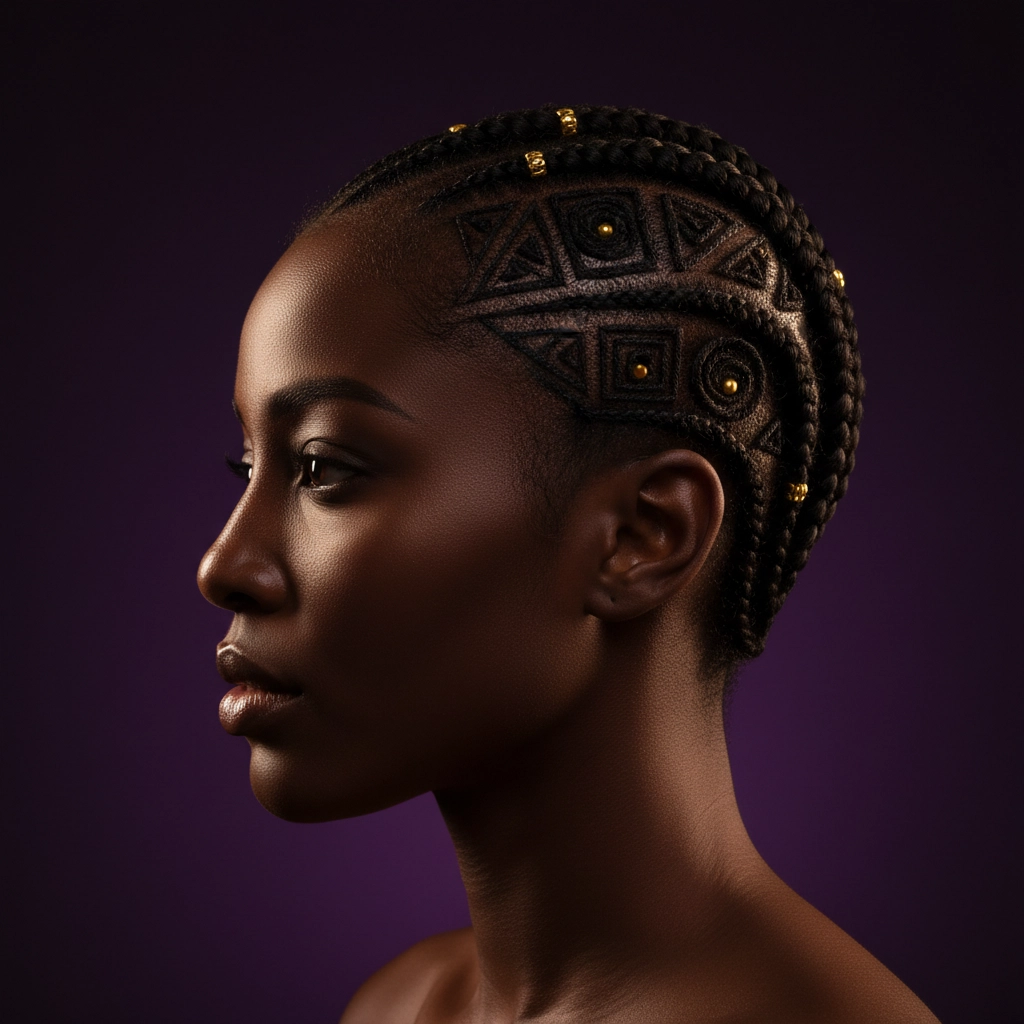
When we recognize that Black hair represents family traditions, community bonds, and personal identity, we begin to understand why treating it as a novelty or object of curiosity feels so diminishing. Every braid, twist, and style tells a story, and those stories deserve our respect, not our uninvited curiosity.
Breaking the Chains: Understanding Historical Context
To truly grasp why this boundary matters, we must courageously examine the painful historical context that shapes this experience. During slavery, enslavers deliberately dehumanized African people by referring to their hair with animalistic terms or forcibly shaving it off entirely. This wasn’t just about appearance, it was about stripping away dignity, identity, and cultural connection.
The trauma runs deeper still. Enslaved people had no control over their bodies, which were subjected to rape, medical experiments, and other violations that continued well into the twentieth century. This legacy of white people claiming ownership over Black bodies creates a context where unwanted touching today echoes centuries of oppression.
When we understand this history, we can see how respecting boundaries around Black hair becomes an act of acknowledging humanity and rejecting the dehumanizing practices of the past. It’s about affirming that Black women have the right to control their own bodies, a right that was denied for far too long.
The Foundation of Respect: Consent and Bodily Autonomy
At its heart, this issue illuminates a fundamental principle that empowers all of us: the importance of consent and bodily autonomy. Any unwanted, purposeful touching of another person crosses a line that we should never cross. When someone insists on touching a Black woman’s hair, especially without asking, they deny her agency over her own body.
This boundary represents a larger struggle for Black women to have their bodily autonomy respected in a society that has historically treated their bodies as available for others’ use, judgment, and entertainment. By honoring this boundary, we affirm that every person has the inherent right to control who touches them and how.

The beauty of understanding consent is that it transforms our interactions across all relationships. When we learn to ask permission and respect “no” as a complete answer, we create a foundation of mutual respect that elevates every connection we make.
Recognizing Microaggressions: The Hidden Impact
Touching a Black woman’s hair without permission functions as a racial microaggression: a subtle form of discrimination that signals she is different and somehow available for special scrutiny. These seemingly small acts carry enormous weight because they reinforce othering and inequality.
When a Black person’s hair becomes the subject of unwanted attention and touching, it doesn’t happen in isolation. One violation often leads to more unwanted touching, accompanied by comments, judgments, or assumptions about how Black hair should look or feel. The person initiating the contact might have good intentions, but the cumulative psychological impact creates a burden that compounds over time.
What makes this particularly challenging is that Black women who assert their boundaries are often labeled as “angry” or “uptight,” forcing them to choose between protecting their personal space and avoiding negative stereotypes. This impossible choice adds another layer of stress to an already difficult situation.
The Power of Accumulated Experiences
Perhaps the most important aspect for us to understand is that unwanted hair touching rarely occurs as an isolated incident. By the time someone reaches out to touch a Black woman’s hair, she has likely endured countless similar violations throughout her life. Each incident might seem minor individually, but together they communicate a message that Black women’s boundaries don’t deserve the same automatic respect afforded to others.
This accumulation creates what we might call “boundary fatigue”: the exhausting experience of constantly having to defend your right to personal space. Imagine having to explain, over and over again, why your body isn’t available for others’ curiosity. The emotional labor required to navigate these situations repeatedly can be overwhelming.
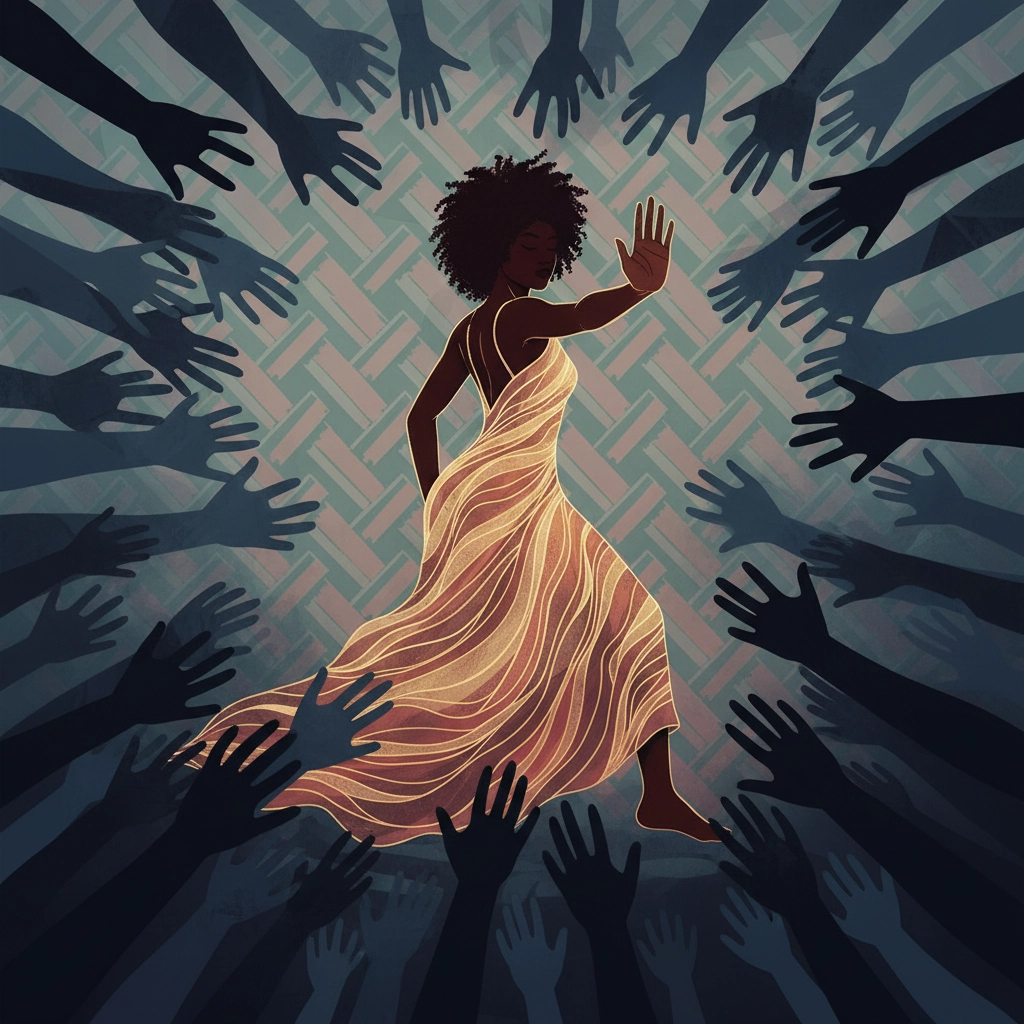
When we recognize this pattern, we can see why even well-meaning gestures can feel invasive. It’s not about the individual person or their intentions: it’s about being part of a larger pattern that consistently treats Black women’s bodies as public property.
Building Bridges: How We Can Do Better
Understanding why Black women don’t want their hair touched without permission opens the door to more respectful, meaningful interactions. Here’s how we can all contribute to positive change:
Ask First, Always: If you’re genuinely curious about someone’s hair, start with conversation, not touch. Ask questions respectfully and accept if someone prefers not to share or demonstrate.
Listen to the “No”: When someone declines your request or sets a boundary, honor it immediately without pressure or negotiation. A respectful response builds trust and demonstrates that you value their autonomy.
Educate Others: Share this knowledge with friends, family, and colleagues. Help create a community where everyone understands and respects these important boundaries.
Reflect on Intent vs. Impact: Even with good intentions, our actions can cause harm. Focus on the impact of your behavior rather than defending your intentions when someone expresses discomfort.
Creating Inclusive Spaces Together
When we truly embrace the principles behind respecting Black women’s hair boundaries, we create more inclusive environments for everyone. This understanding becomes a beacon that guides us toward deeper respect for cultural differences, personal autonomy, and human dignity.
The transformation happens when we move beyond seeing this as “rules” to avoid breaking and instead view it as an opportunity to demonstrate genuine respect and care. When we honor these boundaries, we affirm that every person deserves to move through the world without unwanted intrusion on their body or identity.

This knowledge empowers us to be better allies, friends, and community members. It challenges us to examine our own assumptions and behaviors while inspiring us to create spaces where everyone feels valued and respected.
Your Journey Forward
As we wrap up this important conversation, remember that understanding is just the beginning. Real change happens when we take this knowledge and transform it into action: respectful interactions, boundary-setting conversations with others, and a commitment to creating inclusive spaces wherever we go.
The next time you encounter someone whose appearance intrigues you, pause and consider: How can I express genuine interest while fully respecting their autonomy and dignity? This simple shift in perspective has the power to transform not just individual interactions, but entire communities.
Together, we can build a world where everyone’s boundaries are respected, where cultural significance is honored, and where every person feels truly valued. That’s the kind of transformation that starts with understanding and grows through action.
Join us in this important work of creating more respectful, inclusive communities: because when we honor each other’s boundaries, we unlock the potential for authentic connection and mutual respect.
#DontTouchMyHair #RespectTheCrown #BlackCulture #BlackGirlMagic #PersonalSpaceMatters #TheLifestrongProject #PodcastBlog