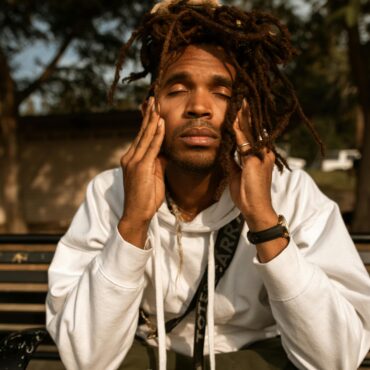
The question hits different when you really sit with it: Are the institutions that once served as the backbone of Black communities: the churches, barbershops, beauty salons, community centers, and social clubs: losing their grip on our collective consciousness? The short answer is complicated, but here’s what we know for sure: while traditional spaces face real challenges, something revolutionary is happening in our headphones and speakers. Podcasts are becoming the new village square, and they’re transforming how we connect, learn, and thrive as a community.
The Evolution of Black Community Spaces
Let’s be real about where we are. Traditional Black institutions aren’t dead, but they’re definitely different. Church attendance has declined across all demographics. The neighborhood barbershop might still be a hub of conversation, but gentrification has pushed many out of the communities they once served. Beauty salons face competition from DIY culture and mobile services. These weren’t just businesses: they were sanctuaries where we could be ourselves, share wisdom, and build each other up.
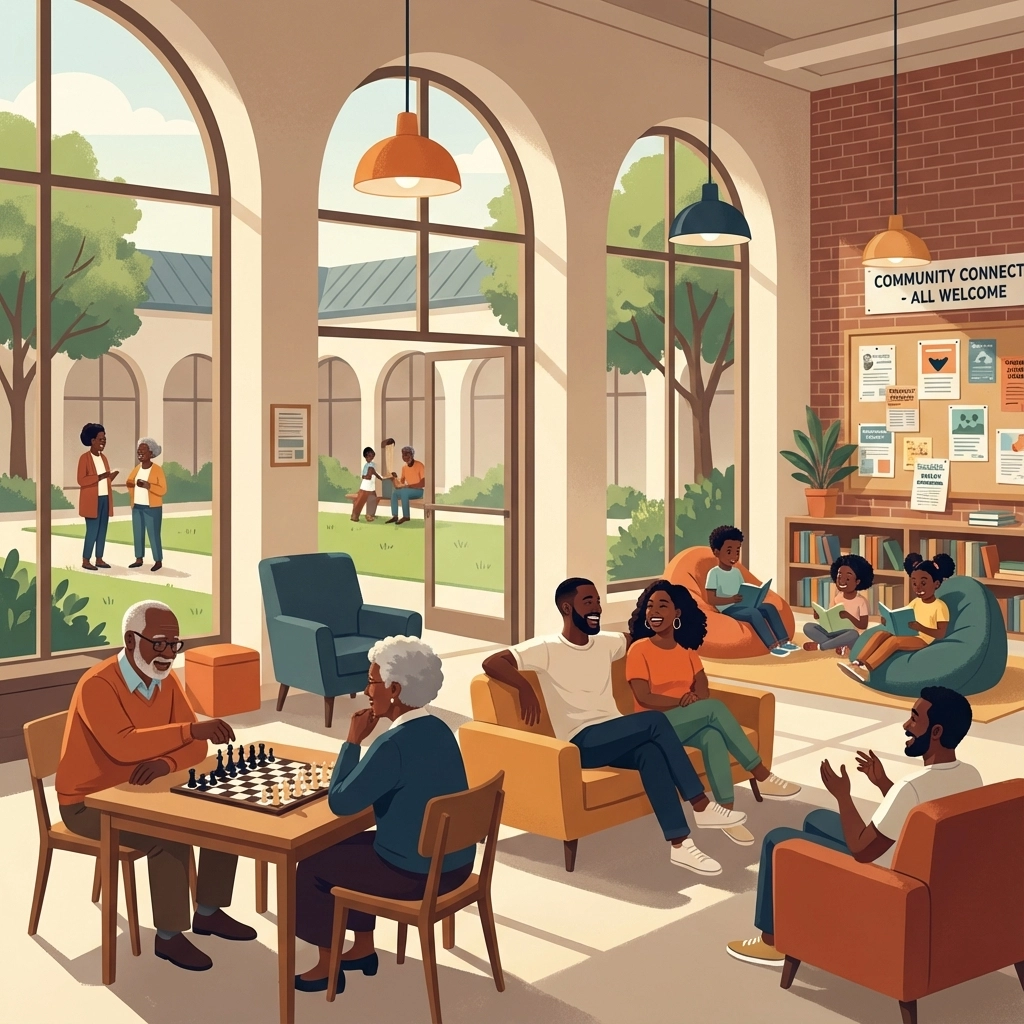
But here’s the thing about Black excellence: we adapt. We innovate. We find new ways to create community even when the old ways face obstacles. And that’s exactly what’s happening with the podcasting revolution.
Podcasts as the New Community Center
Think about it: when you tune into your favorite Black-hosted podcast, what are you really doing? You’re joining a conversation. You’re sitting in a digital living room where hosts become your friends, where complex topics get unpacked with the kind of nuance that only comes from lived experience, and where you feel seen and heard in ways that mainstream media often fails to provide.
Podcasts have become our modern-day town halls, our digital barbershops, our virtual book clubs. They’re spaces where we can explore everything from entrepreneurship and mental health to relationships and spirituality: all through the lens of our unique experiences and perspectives.
The beauty lies in their accessibility. You don’t need to live in a specific neighborhood or have membership to a particular organization. Whether you’re commuting to work, exercising, or doing chores at home, these conversations are available whenever you need them. That’s powerful. That’s community building at scale.
Fostering Black Excellence Through Audio
What makes podcast communities particularly special is how they celebrate and cultivate Black excellence. Hosts regularly platform Black entrepreneurs, artists, scholars, and everyday people doing extraordinary things. They create space for stories that might never make it to traditional media outlets.

Take business and entrepreneurship podcasts led by Black hosts: they’re not just sharing generic advice. They’re addressing the specific challenges and opportunities that Black business owners face. They’re connecting listeners with resources, networks, and mentorship opportunities that can transform lives and generational wealth.
Mental health podcasts are breaking down stigmas and providing culturally competent perspectives on wellness. They’re creating safe spaces for conversations about trauma, healing, and resilience that resonate deeply with Black experiences.
Educational podcasts are making knowledge accessible in ways that formal institutions sometimes struggle to achieve. They’re teaching financial literacy, political awareness, and cultural history with the kind of passion and relevance that transforms information into inspiration.
Building Bridges Across Geography
One of the most remarkable things about podcast communities is how they transcend physical boundaries. A podcast can connect a listener in rural Mississippi with someone in Brooklyn, creating bonds that might never have formed otherwise. These shows are building a diaspora-wide village where geography doesn’t limit community.
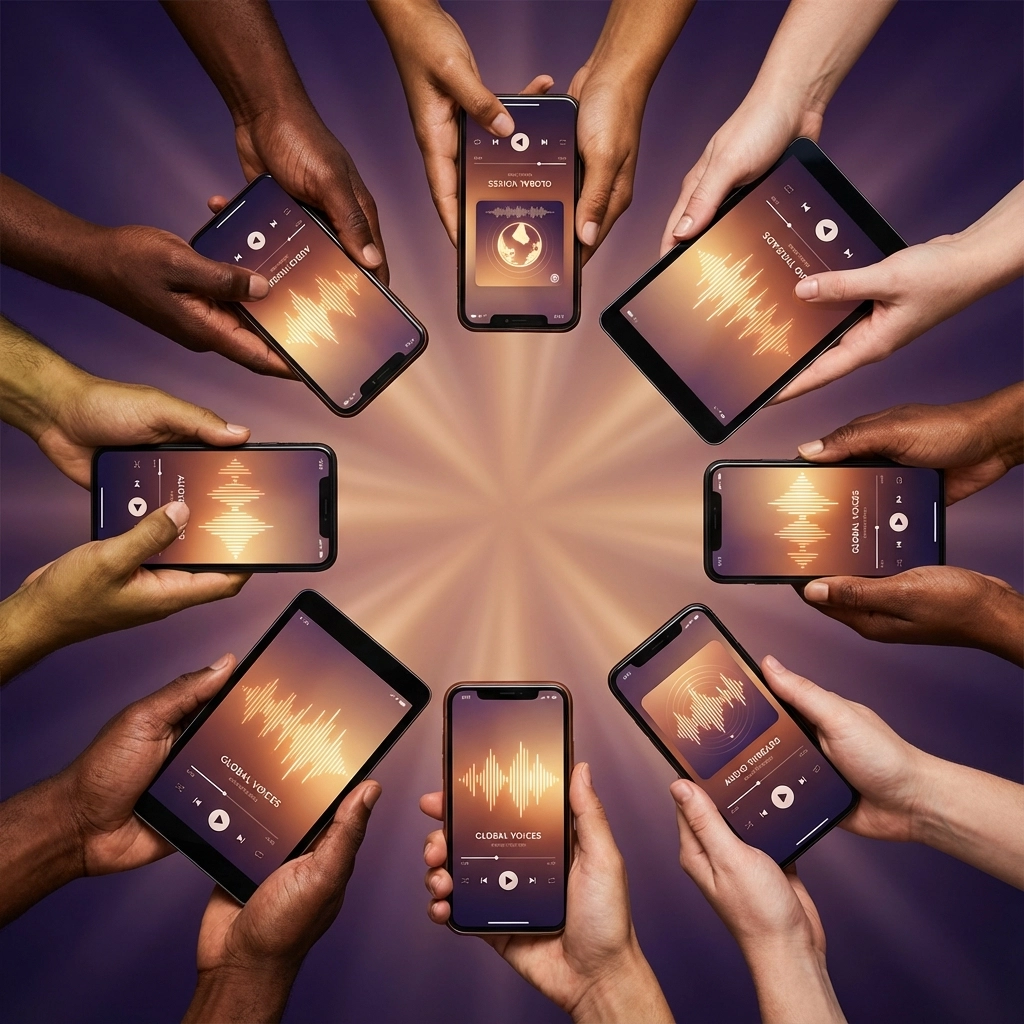
Listeners become part of something larger than themselves. They join Facebook groups, attend live shows, participate in Twitter conversations, and even meet up in real life. The podcast becomes the catalyst for deeper community connections that extend far beyond the audio experience.
The Educational Revolution in Our Ears
Remember when your grandmother would share wisdom while you helped her in the kitchen? Or when the elder at church would pull you aside with life lessons that schools couldn’t teach? Podcasts are carrying on that tradition of community education, but with a modern twist.
Black-hosted podcasts are teaching listeners about everything from cryptocurrency and real estate investing to meditation and self-care. They’re providing the kind of practical, culturally relevant education that empowers people to make better decisions and build better lives.
The learning happens organically, woven into conversations that feel like catching up with friends rather than sitting in a classroom. This approach makes complex topics accessible and actionable in ways that traditional educational institutions often struggle to achieve.
Creating Safe Spaces for Authentic Conversations
In a world where Black voices are often policed, minimized, or misunderstood, podcasts offer something invaluable: authentic space. Hosts can address topics with the depth and nuance they deserve, without having to constantly explain or justify Black experiences to outside audiences.
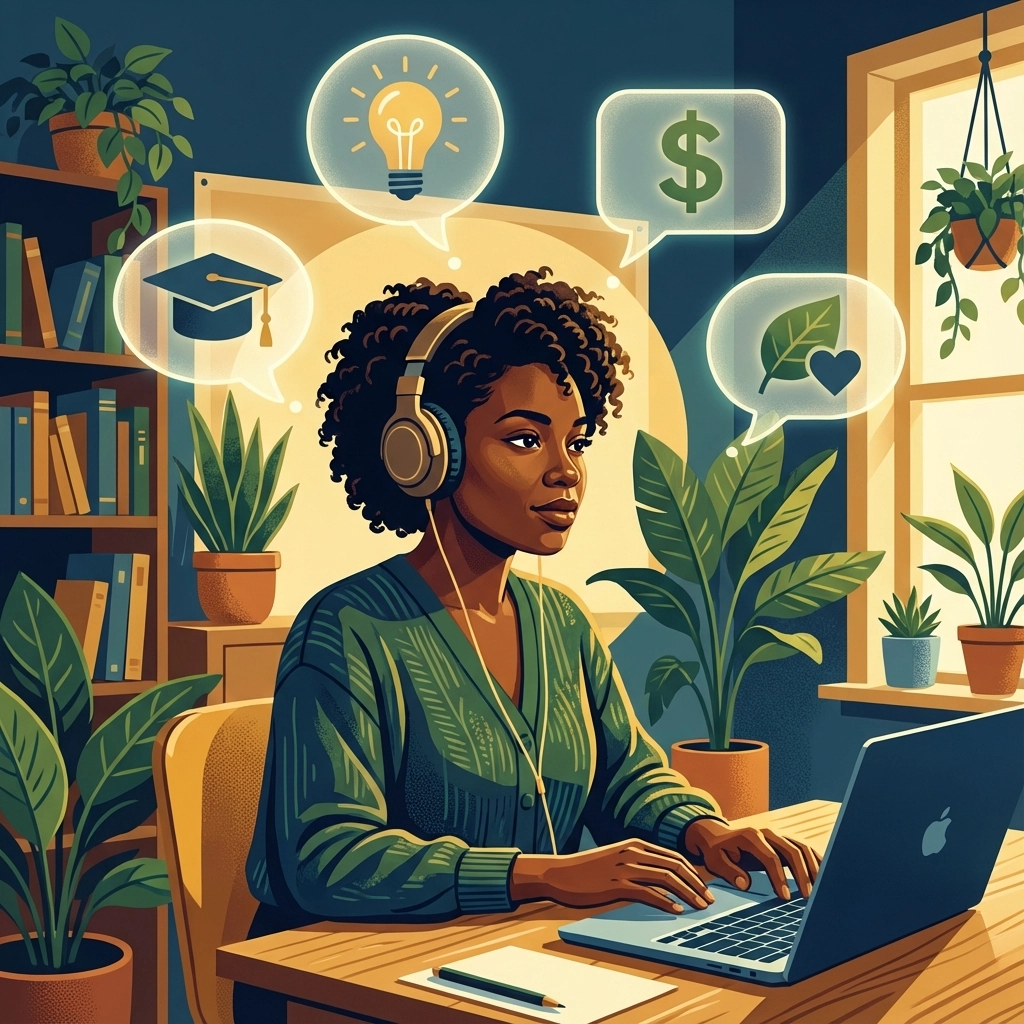
These shows tackle difficult subjects: racism, identity, family dynamics, relationship challenges: with the kind of honesty and vulnerability that builds real connection. Listeners find validation, understanding, and community around shared experiences that might feel isolating in other contexts.
The comment sections, social media interactions, and live events that spring up around these podcasts create extended communities where people can continue these important conversations and support each other through challenges.
The Future of Digital Villages
As we look ahead, the potential for podcast communities to serve as cornerstone institutions in Black communities is enormous. We’re already seeing podcasts evolve beyond audio content to include merchandise lines, community service projects, scholarship programs, and business accelerators.
Some podcast communities are organizing book clubs, hosting financial literacy workshops, creating mentorship programs, and even launching investment funds. They’re becoming full-service community organizations that happen to center around audio content.
The intimacy of the podcast format, literally having voices in our ears: creates a unique bond between hosts and listeners. This relationship forms the foundation for the kind of trust and influence that traditional community institutions once held.
Join the Revolution
The question isn’t whether Black community institutions are dead: it’s whether we’re ready to embrace and support the new forms they’re taking. Podcasts are proving that community isn’t confined to physical spaces or traditional structures. It’s about connection, shared values, and collective growth.
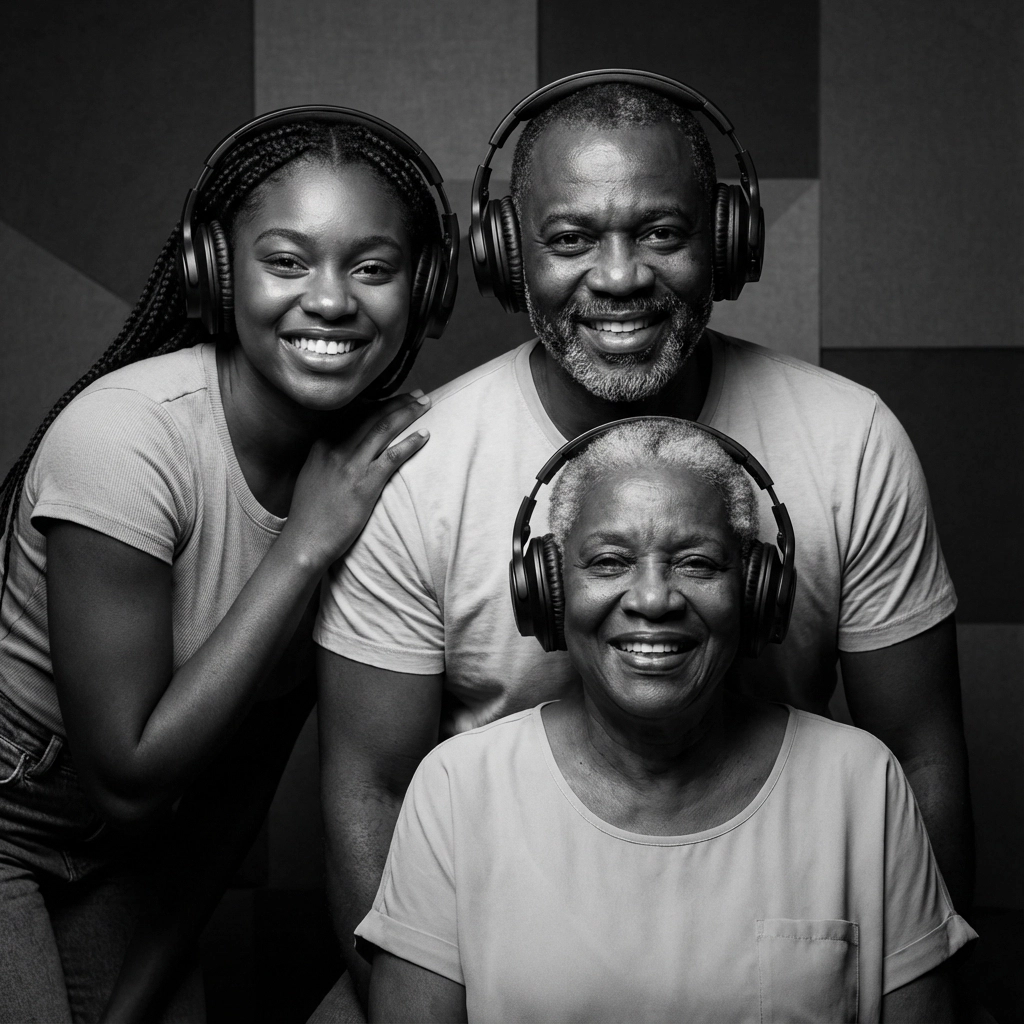
As we navigate this digital transformation, we have the opportunity to be intentional about building these new villages. Support Black podcasters. Engage with their communities. Share their content. Participate in the conversations that matter to you.
The village isn’t gone: it’s just got a new address, and the door is always open. Whether you’re a listener ready to dive deeper into community or someone with a story to share, this is your moment to be part of something transformative.
Join us as we continue building bridges, sharing wisdom, and empowering our community one conversation at a time. The future of Black community is in our hands: and in our headphones.