Let’s talk about something that doesn’t get nearly enough airtime in our community: what happens to Black men after divorce.
We see the statistics. We hear the stories whispered at family gatherings. But rarely do we sit down and have an honest, supportive conversation about the unique journey Black men face when a marriage ends. Today, we’re changing that.
If you’re a Black man navigating divorce, or you love someone who is, this one’s for you. You’re not alone, and there’s a path forward that leads to healing, growth, and a stronger sense of who you really are.
The Weight Nobody Talks About
Divorce hits different for Black men. And we need to acknowledge that upfront.
Research shows that divorced Black men experience profound psychological distress marked by a complex mix of conflicting emotions. One moment you might feel relief; the next, overwhelming grief. This emotional rollercoaster is completely normal, but our community doesn’t always create space for men to process these feelings openly.

The psychological impact goes deeper than just feeling sad. Studies have identified three primary dimensions that Black men experience during divorce: conflicting emotions that feel impossible to untangle, experiences described as genuinely painful and overwhelming, and stress intensified by not fully understanding the divorce process itself.
Here’s what makes it even more complicated: these mental health challenges don’t exist in a vacuum. They’re layered on top of the cultural trauma that comes from navigating systemic oppression every single day. When you’re already carrying the weight of being a Black man in America, divorce can feel like the straw that breaks everything.
But here’s the truth we need to hold onto: acknowledging this pain is the first step toward healing. You can’t transform what you refuse to see.
The Financial Reality Check
Let’s talk numbers, because they matter.
Black men experience a 29% decline in family income following divorce, that’s significantly higher than the 23-24% drop white and Hispanic men face. Before divorce, Black married men had a median annual family income of around $62,000. After? That drops to approximately $43,000.
What’s even more telling is the recovery rate. After divorce, Black men’s income-to-needs ratio increases by only 4%, compared to 12% for white men and 11% for Hispanic men. This isn’t about individual effort or hustle, it reflects pre-existing earnings disparities caused by systemic racism and limited opportunities in the labor market.
Understanding this isn’t about making excuses. It’s about being real with ourselves so we can plan accordingly and fight smarter, not harder.
When Your World Shifts: Social and Relational Changes
Divorce doesn’t just end a marriage, it reshapes your entire social landscape.
Suddenly, you’re navigating child custody arrangements, figuring out how to be a present father from a different address, and returning to a life of solitary living that might feel completely foreign. The nuclear and extended family networks you relied on? Those shift too, sometimes in unexpected and painful ways.
For Black men especially, family has always been central to our identity and support system. When that structure changes, it can feel like losing your anchor.
And then there’s dating again. Re-entering the world as a divorced man comes with its own set of challenges, self-doubt, and opportunities for growth. But we’ll get to that.
Finding Your Way Back: The Healing Journey
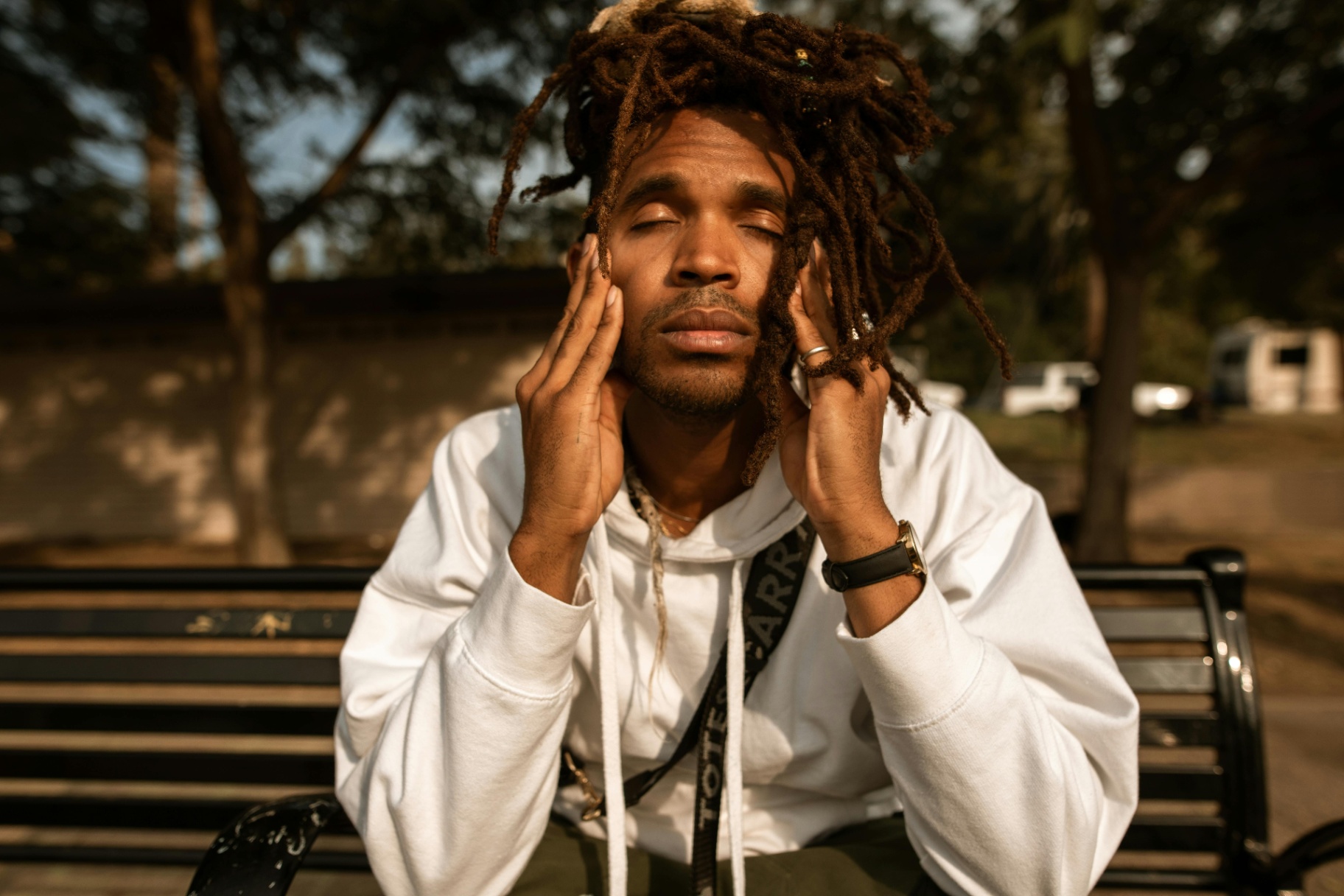
Here’s where we flip the script.
Research consistently shows that post-traumatic growth and self-actualization are absolutely achievable outcomes for Black men after divorce. Read that again. This painful chapter can become the catalyst for becoming the man you were always meant to be.
The key ingredient? Strong, multi-layered social support systems.
This healing process actually taps into something powerful that many Black men have already developed: resilience forged through navigating broader societal adversity. You’ve been building these muscles your whole life. Divorce, while transformative and often painful, can catalyze positive identity reconstruction and personal development.
Many black men who’ve walked this road describe coming out the other side with:
- A clearer sense of their own values and priorities
- Stronger, more authentic relationships
- Better boundaries and communication skills
- A deeper connection to their purpose
- Renewed commitment to their children and community
The pain is real. But so is the possibility for transformation.
Practical Tools for Your Healing Journey
Inspiration is great, but you need actionable strategies. Here’s what works:
1. Build Your Support Circle Intentionally
Don’t isolate. Reach out to trusted friends, family members, or mentors who can hold space for your emotions without judgment. If your current circle doesn’t offer that, it’s time to expand it.

2. Consider Therapy, Seriously
Finding a therapist who understands the intersection of race, masculinity, and divorce can be transformative. Organizations like A Black Man’s Safe Haven, The Black Daddies Club and similar community resources can point you in the right direction.
3. Get Your Finances in Order
Knowledge is power. Understand your new financial reality, create a realistic budget, and if possible, work with a financial advisor. This isn’t just about survival, it’s about building toward your next chapter.
4. Prioritize Your Physical Health
Divorce increases risk for substance use and hypertension. Combat this by doubling down on exercise, nutrition, and sleep. Your body and mind are connected, take care of both.
5. Stay Connected to Your Children
If you have kids, fight for your relationship with them. Document everything, show up consistently, and remember: being a present father is one of the most powerful things you can do for your own healing and theirs.
6. Rediscover Who You Are
Outside of being a husband, who are you? What do you love? What dreams did you put on hold? This is your opportunity to reconnect with yourself and build an identity that’s authentically yours.
You’re Not Alone in This

One of the most damaging myths in our community is that Black men should handle everything alone, in silence, without showing vulnerability. That myth needs to end today.
The brothers who thrive after divorce are the ones who reach out, who ask for help, who allow themselves to be supported. There’s no weakness in that, only wisdom.
We need more spaces where Black men can talk openly about divorce, share strategies, and lift each other up. Whether that’s in barbershops, churches, podcasts, or community groups, these conversations matter.
Your Next Chapter Starts Now
Divorce is an ending, yes. But it’s also a beginning.
You have the opportunity to redefine what success, happiness, and fulfillment look like on your own terms. You can become a better father, a more authentic friend, a more grounded man. You can take everything you’ve learned: the pain, the lessons, the resilience: and channel it into building a life that truly reflects who you are.
This isn’t about pretending the hurt doesn’t exist. It’s about refusing to let that hurt be the final word in your story.
You are capable of growth. You are worthy of support. And you have what it takes to not just survive this season, but to thrive beyond it.
Your healing journey is waiting. And we’re right here with you, ready to walk it together.