We're living through a pivotal moment in cinema history. Right now, in 2026, Black filmmakers aren't just participating in the film industry: they're fundamentally reshaping it. From independent creators using cutting-edge technology to visionary directors building entire creative ecosystems, this transformation is rewriting the rules of what's possible behind the camera.
The numbers tell part of the story: Black-led films reached 14% of major studio releases in 2024, the highest percentage in two decades. But what's happening goes way deeper than statistics. We're witnessing a complete reimagining of who gets to tell stories, how those stories reach audiences, and what impact they have on our global cultural landscape.
The Technology Revolution: Power in Every Creator's Hands
Here's where things get really exciting. The barriers that once kept talented voices out of filmmaking are crumbling, and technology is leading the charge. Affordable digital cameras, accessible editing software, and streaming platforms have democratized the entire creative process.
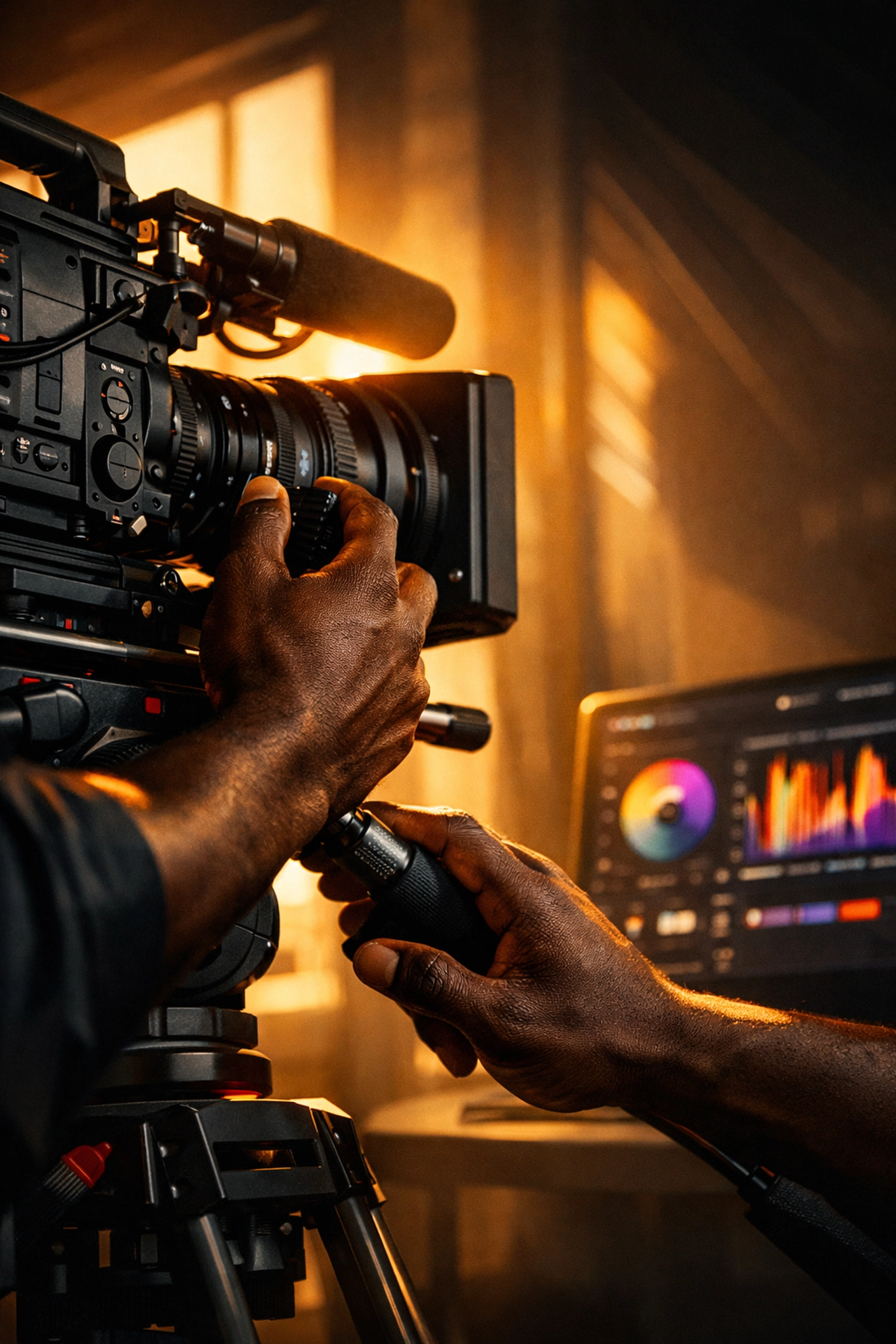
Think about what this means: A filmmaker in Jacksonville doesn't need Hollywood's blessing anymore. They don't need to relocate to Los Angeles or New York to make their vision a reality. With a quality camera rig, editing software on a laptop, and the power of digital distribution, creators are bringing authentic stories to life on their own terms.
Samuel Hunter's work in Jacksonville's independent film community perfectly captures this shift. Local filmmakers are leveraging crowdfunding, building community support systems, and producing feature-length films entirely within their own neighborhoods. This isn't just about making movies: it's about reclaiming narrative power and building sustainable creative ecosystems where Black excellence can thrive without traditional gatekeepers controlling the process.
Visionary Leaders Building Tomorrow's Infrastructure
Let's talk about the game-changers who aren't just creating films: they're building the infrastructure for generations of storytellers to come.
Ava DuVernay's ARRAY foundation stands as a beacon of what's possible when visionary leadership meets unwavering commitment to representation. She's moved beyond directing individual projects to creating an entire ecosystem that champions diversity behind and in front of the camera. From Selma to When They See Us, her work combines artistic excellence with historical documentation, proving that authentic storytelling doesn't just entertain: it transforms.
Ryan Coogler and Jordan Peele have demonstrated something the industry can no longer ignore: culturally rich, authentic storytelling resonates universally. Their success has opened doors and shifted mindsets, proving that Black narratives aren't niche: they're essential to cinema's future.
These leaders understand something powerful: real change happens when we build systems, not just individual success stories. They're creating mentorship programs, funding opportunities, and production companies designed to unlock potential in the next generation of Black filmmakers.
New Centers of Creative Power
The geography of filmmaking is shifting, and it's absolutely inspiring to watch. While Los Angeles and New York still matter, new production hubs are emerging across the country: places where local Black filmmaking communities are building their own infrastructure and telling their own stories.
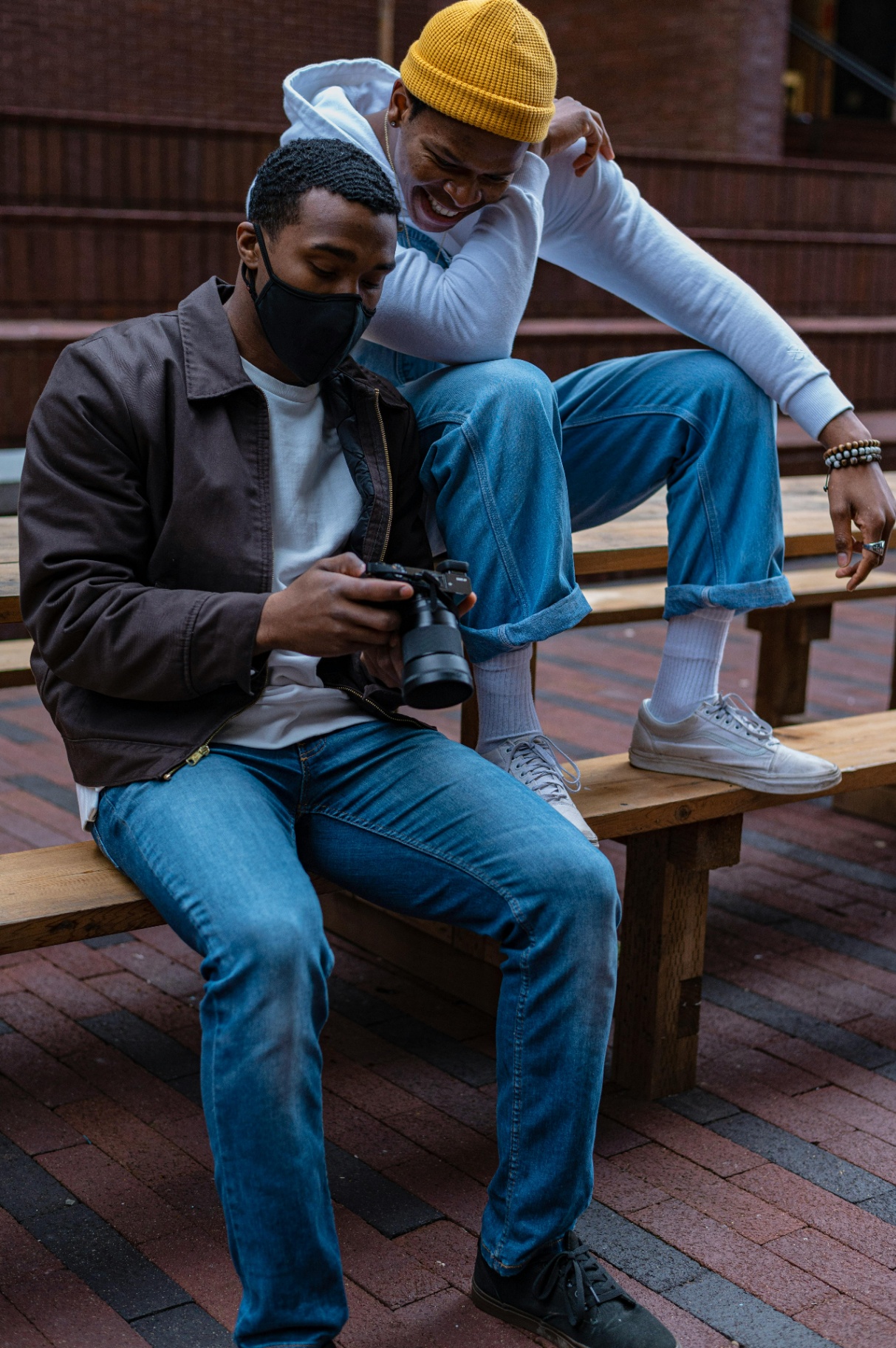
Jacksonville's independent film scene illustrates this beautifully. Filmmakers there emphasize that technology has lowered barriers that previously concentrated power in traditional studios. They're proving you don't need Hollywood's zip code to create compelling, professional-quality cinema that connects with audiences worldwide.
This geographic diversification brings something invaluable: authentic regional perspectives. Stories rooted in different communities, reflecting different experiences, enriching the entire landscape of Black cinema. When filmmaking happens everywhere, we all benefit from the expanded range of narratives and voices.
The Three Pillars Driving Transformation
Black filmmakers are collectively advancing three critical pillars that strengthen the entire industry: representation, innovation, and authenticity.
Representation means more than seeing Black faces on screen: it's about securing funding, creative control, and decision-making power. It's about expanding the range of stories told and ensuring diverse talent can thrive at every level of production.
Innovation pushes boundaries in narrative structure, visual storytelling, and production methods. Black filmmakers are experimenting with form and content in ways that challenge industry conventions and inspire audiences to see cinema differently.
Authenticity connects everything together. These aren't stories filtered through someone else's lens or shaped by external expectations. They're honest, nuanced, complex portrayals of Black life that move beyond stereotypes and reflect the full spectrum of our experiences.
Together, these pillars are building sustainable pipelines for future generations, ensuring that today's progress becomes tomorrow's foundation.
Challenges as Catalysts for Continued Growth
Real talk: significant barriers remain. The path forward requires us to acknowledge challenges while maintaining our commitment to progress.
Black women directors, particularly in fiction filmmaking, face a narrowing landscape. Recent festival programming shows concerning gaps in representation, reminding us that even as we celebrate victories, the work continues. Industry investment has become more conservative, with some producers prioritizing commercial returns over complex narratives: a shift that threatens the momentum we've built.
But here's what inspires us: these challenges are sparking new solutions. Filmmakers are responding by building independent funding networks, creating alternative distribution channels, and supporting each other through community-driven initiatives. Every obstacle becomes an opportunity to innovate, to find new pathways, to prove that authentic Black storytelling will thrive regardless of traditional industry hesitation.
The reality is we still need steady capital, sustained distribution channels, and a larger roster of roles that reflect nuances in Black life. But we're building toward that future right now, one film at a time, one filmmaker at a time, one supportive community at a time.
Looking Forward: The Vision for Tomorrow
As we move deeper into 2026, the trajectory is clear: Black filmmakers aren't waiting for permission to transform the industry: they're actively doing it. They're using technology to bypass gatekeepers, building ecosystems to support emerging talent, and creating work that resonates across cultures and continents.
This matters beyond cinema. When Black filmmakers thrive, when our stories reach global audiences, when our perspectives shape culture: we're not just changing movies. We're transforming how the world sees us, how we see ourselves, and what future generations believe is possible.
The lens of progress is focused, the frame is set, and the future of filmmaking is being written by Black creators who refuse to be limited by industry conventions. Join us in celebrating this moment, supporting these voices, and being part of the transformation that's reshaping cinema for everyone.
Ready to dive deeper into conversations about Black excellence, creativity, and cultural transformation? The Lifestrong Project brings you inspiring stories and powerful discussions that spotlight the leaders and innovators shaping our future. Hit subscribe now and be part of the conversation.